 heala
healaIncrease HRV in 2–4 Weeks: 8 Science Backed Habits for Recovery

Increase HRV in 2–4 Weeks: 8 Science Backed Habits for Recovery
Yes, most people can increase HRV through consistent lifestyle changes, and you don’t need to overhaul your life to do it. The three highest-impact levers are sleep, regular aerobic exercise, and stress management through breathing practices. Stack these three and you’ll typically see measurable movement in your numbers within a few weeks.
TL;DR:
- Consistently improving sleep, hydration, and stress management can lead to measurable increases in HRV within a few weeks, especially with hydration, breathing, and sleep routines.
- Longer-term HRV gains are primarily driven by regular aerobic and strength training, with changes often visible over one to three months; overtraining can temporarily lower HRV.
- Tracking weekly averages over multiple weeks provides more reliable insights than daily readings, since individual HRV varies greatly and trends are more meaningful than isolated numbers.
- Lifestyle modifications such as reducing alcohol and nicotine, eating anti-inflammatory foods, and avoiding heavy meals before sleep significantly influence HRV improvements, often within days.
- Using personalized experiments to adjust habits and observe their effects on HRV over weeks enhances understanding of individual triggers and responses, rather than chasing universal benchmarks.
Table of Contents
- Quick actionable checklist: eight daily habits to start now
- What HRV measures and why your baseline matters
- Evidence summary and realistic expectations for change
- Sleep: routines and behaviours that support HRV
- Exercise and training: what raises HRV and how to avoid overtraining
- Stress management and breathing practices with evidence of benefit
- Hydration, alcohol and nicotine: small changes with big effects
- Nutrition and supplements that support recovery and HRV
- How to measure HRV reliably and interpret trends
- A practical 6 to 8 week plan to increase HRV
- Kerem’s perspective: experimenting with HRV in everyday life
- How Heala helps you increase HRV
- Selected primary sources and reviews used in the article
- Sources
Quick actionable checklist: eight daily habits to start now
You don’t need to do everything at once. Some of these habits shift your numbers within days; others take weeks of consistency to show up on your wearable. Here’s the order that gets you results fastest.
- Get 7 to 9 hours of sleep, same bed and wake time. This is the single biggest lever, and you’ll often see change within a short time.
- Hydrate before caffeine, not after. Dehydration lowers HRV overnight, and this is a same-day fix.
- Do one breathing session daily, five to ten minutes. Slow, paced breathing shifts your nervous system almost immediately.
- Walk or cycle for 30 minutes most days. Moderate cardio builds autonomic fitness over a few weeks.
- Cut alcohol on nights before you need good recovery. One drink can suppress overnight HRV noticeably.
- Add two strength sessions a week. Muscle and metabolic health support HRV over a longer horizon, typically a month or more.
- Quit nicotine, or cut it drastically. Few single changes move HRV as consistently as this one.
- Track a weekly average, not daily swings. This won’t change your physiology, but it will stop you making bad decisions based on noise.
Rapid wins come from hydration, breathing, and sleep timing. Exercise, nicotine cessation, and strength training pay off over weeks rather than days.
What HRV measures and why your baseline matters
Heart rate variability tracks the tiny fluctuations in time between each heartbeat, and those fluctuations reflect how your autonomic nervous system is balancing two competing branches: the sympathetic (“go”) system and the parasympathetic (“rest and recover”) system. When your body swings easily between the two, that variability tends to be higher, and that flexibility is generally read as a sign of better adaptability to stress, training, illness, and life in general.
Higher HRV isn’t a score you’re chasing in isolation. It’s a proxy for how well your body can shift gear when it needs to, whether that’s recovering from a hard workout or handling a stressful week at work.
Here’s where most people get it wrong: they compare their number to a friend’s, or to some number they saw quoted online, and panic when theirs is lower. That comparison is meaningless. HRV varies hugely between individuals based on age, genetics, fitness history, and underlying health conditions, and there are no established clinical guidelines or universal thresholds for what counts as “good” or “bad” from professional cardiovascular bodies, according to Harvard Health. A 25-year-old marathon runner and a 55-year-old office worker will have entirely different baselines, and neither number tells you much on its own.
What actually matters is your own trend over time. A gradual rise across weeks tells you your habits are working. A sustained dip tells you something (poor sleep, illness, overtraining, stress) is dragging on your recovery. Read more on why HRV only means something as your trend if you want the fuller argument for why single-day readings are close to useless on their own.
Evidence summary and realistic expectations for change
The research base for improving HRV through lifestyle change is solid, even if it isn’t flashy. Exercise therapy has been shown in reviews and controlled trials to improve HRV in healthy individuals, with structured aerobic training producing measurable gains in cardiac autonomic regulation over time, according to a review published via the National Center for Biotechnology Information. That’s not a fringe claim. It’s one of the more consistently replicated findings in this field.
Consistent lifestyle changes, including 7 to 9 hours of quality sleep, regular aerobic exercise, and effective stress management, tend to produce measurable improvements in HRV within a few weeks for most individuals, per Harvard Health’s summary.
On the relaxation side, a 77-day ambulatory pilot study found progressive muscle relaxation (PMR) produced gradual HRV increases over time compared with an active control group, while resonance frequency breathing training on average showed more mixed results, per the MDPI pilot study. The takeaway there isn’t that breathing work doesn’t help. It’s that intensive, frequent practice and some individual trial and error appear to matter more than following a generic script.
One honest caveat: there’s no universal clinical threshold that tells you when your HRV has “improved enough,” because professional cardiovascular societies haven’t set one. That absence isn’t a gap in the science so much as a reflection of how personal this metric is. Your own multi-week trend, not a fixed target, is the meaningful signal. Expect early movement within two to four weeks if you’re consistent, with bigger structural gains from exercise and strength training building over one to three months.
Sleep: routines and behaviours that support HRV
Sleep is where most of your overnight autonomic recovery happens, and it’s the habit with the most direct line to your morning HRV reading. Aim for 7 to 9 hours, and hold your bed and wake times steady, even at weekends. Irregular sleep timing confuses your body’s internal rhythm more than a slightly shorter night does.
A practical sleep-hygiene routine doesn’t need to be complicated:
- Keep your bedroom cool, ideally between 16 and 19°C.
- Block out light completely, or use an eye mask if you can’t.
- Set a screen curfew 30 to 60 minutes before bed.
- Build a short wind-down routine (reading, stretching, low light) so your body gets a consistent cue that sleep is coming.
- Avoid heavy meals or intense exercise in the two hours before bed.
- Keep your room quiet, or use consistent background noise if silence isn’t realistic for you.
Pro Tip: If you’re in a heavy training block or a genuinely brutal work week, protect sleep before anything else. Skip the extra evening session or the late social plan rather than cutting sleep, because a tired body recovers from a missed workout far faster than it recovers from a bad night.
You should see early shifts in your HRV trend within a couple of weeks of tightening your sleep schedule, particularly if your prior routine was erratic. The bigger, more stable gains tend to show up over a few weeks, once your circadian rhythm has settled into the new pattern.
Exercise and training: what raises HRV and how to avoid overtraining
Regular moderate aerobic exercise is one of the best-evidenced ways to improve HRV over time, with structured training shown to improve autonomic regulation in trials on healthy adults (NCBI). Public health guidance backs this up at a population level too: the CDC recommends 150 minutes of moderate aerobic activity per week as a baseline, and that volume is consistently associated with better autonomic function.
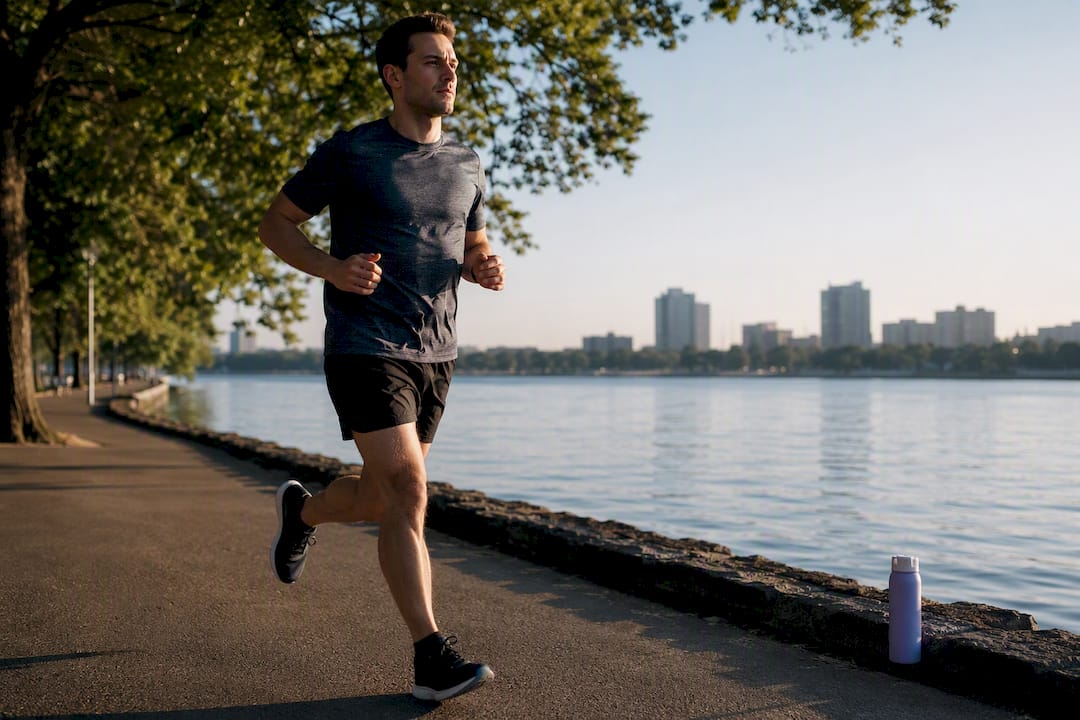
The catch is that exercise is a double-edged tool. Done right, it builds the kind of cardiovascular fitness that raises your baseline HRV over months. Done wrong (too much intensity, too little recovery) it suppresses HRV and leaves you in a chronically under-recovered state that looks a lot like fatigue with extra steps.
A sensible weekly structure looks like this:
- 150+ minutes of moderate cardio, spread across most days rather than crammed into a weekend.
- One to two strength sessions, focusing on compound movements and progressive overload.
- One or two higher-intensity (HIIT) sessions maximum, spaced with at least 48 hours of easier training either side.
- At least one full rest day, genuinely restful, not “active recovery” in disguise.
- A deload week roughly every four to six weeks, particularly if you’re training hard.
The smartest approach is to let your HRV trend guide your training decisions rather than following a rigid plan blind. If your weekly average is trending down for several days in a row, that’s usually your body asking for easier sessions or an extra rest day, not a sign you need to push harder. This is a point worth taking seriously: under-recovering is far more common than overtraining among people who track their fitness. If you want your cardio sessions to actually count towards this data rather than sitting outside your tracked training, structured GPS-tracked runs give you a clearer picture of how each session lands.
Stress management and breathing practices with evidence of benefit
Breathing work is one of the fastest ways to shift your nervous system towards a parasympathetic, rest-and-recover state, and some of the effects are near-immediate. Resonance breathing, roughly six breaths per minute, is the technique most commonly used in HRV biofeedback training, and it works by matching your breathing rate to your body’s natural baroreflex rhythm.
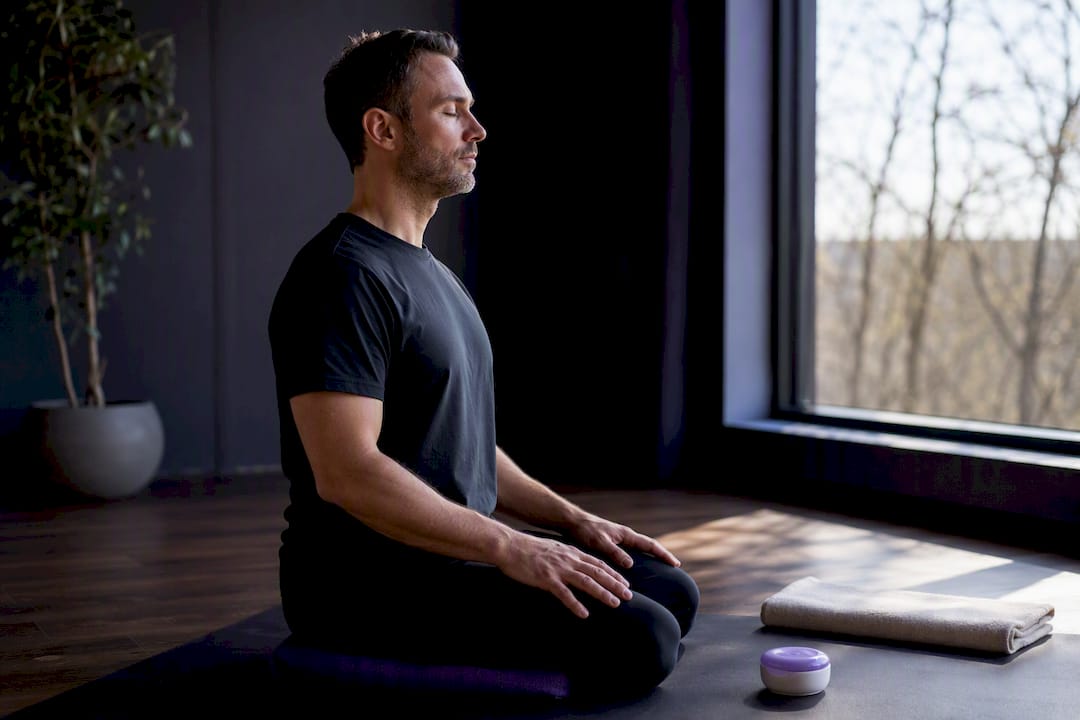
The longer-term evidence is a little more nuanced. In the 77 day pilot study cited earlier, progressive muscle relaxation produced steady, gradual HRV increases across the study period compared with an active control group, while resonance breathing training showed more mixed individual results (MDPI). The practical lesson is that PMR seems to reward consistency more reliably than breathing alone, though breathing still helps in the moment.
Here’s a simple weekly routine to try:
- Five to ten minutes of paced breathing each morning, six breaths per minute, before checking your phone.
- A 15 to 20 minute PMR session, three to four times a week, working through each muscle group in sequence.
- A two minute breathing reset before bed, to help transition out of a busy day.
- One vagal-activating micro-practice on stressful days, such as humming, a slow exhale twice as long as your inhale, or brief cold-water immersion on your face.
Pro Tip: Don’t judge a breathing session by how you feel in the moment. Judge it by your HRV trend over the following two weeks. Some people feel nothing during resonance breathing yet see steady gains once it becomes a daily habit.
If five minutes a day still feels like too much of an ask, these short mindfulness rituals are built specifically for people who genuinely don’t have a spare quarter of an hour.
Hydration, alcohol and nicotine: small changes with big effects
Dehydration and alcohol both suppress HRV acutely, and both are far easier to fix than sleep or exercise habits. Even mild dehydration pushes your resting heart rate up and pulls HRV down, largely because your cardiovascular system has to work harder to maintain blood pressure with less fluid volume to work with. Alcohol has a similar, often stronger, effect on overnight recovery, which is why a “few drinks” the night before a big training day so often shows up as a flat or reduced HRV reading the next morning.
Practical limits worth setting:
- Drink water consistently through the day, aiming for pale straw-coloured urine as a rough visual guide.
- Avoid alcohol within three to four hours of bedtime, and skip it entirely before a night you need strong recovery.
- Rehydrate deliberately after exercise or alcohol, rather than waiting until you’re thirsty.
- Treat nicotine cessation as a priority, not an afterthought. Few single lifestyle changes move HRV as consistently and as fast as quitting.
None of these changes require new equipment or a training plan. They’re the cheapest wins on this entire list, and they often show up in your data within days rather than weeks.
Nutrition and supplements that support recovery and HRV
An anti-inflammatory eating pattern, built around vegetables, oily fish, whole grains, and minimal ultra-processed food, supports the kind of steady autonomic function that shows up as better HRV over time. Meal timing matters too: eating a heavy meal close to bedtime forces your digestive system to compete with your recovery processes overnight, which tends to blunt the improvements you’d otherwise see.
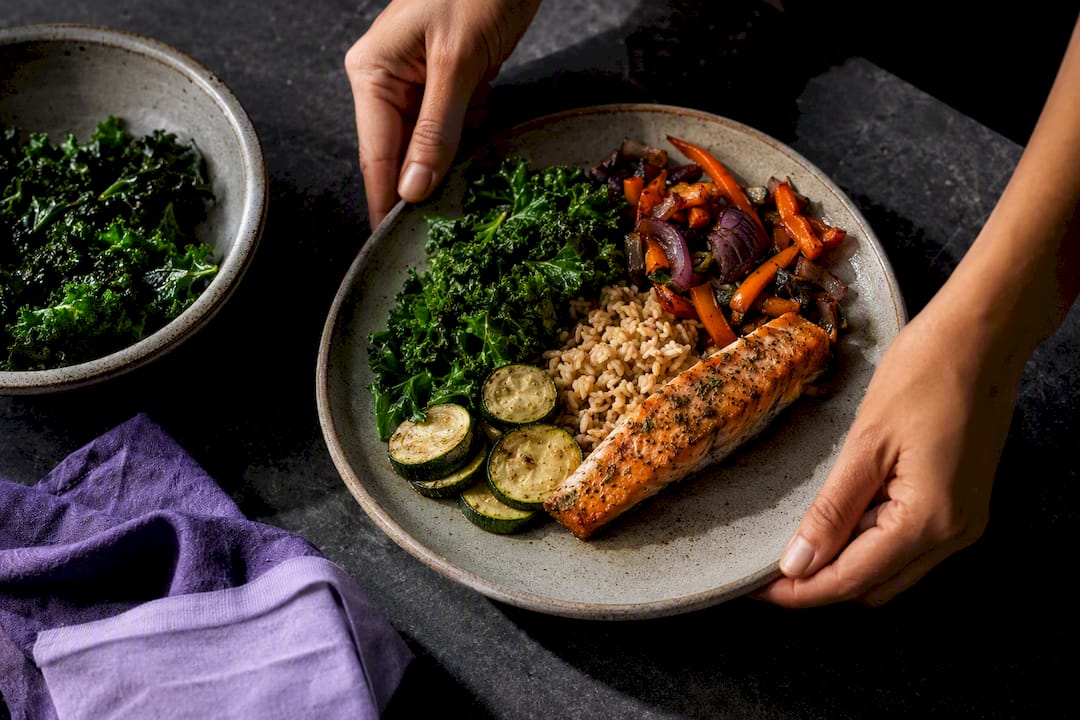
Body composition plays a genuine role here as well. Carrying excess visceral fat is linked with lower HRV, and combining a sensible diet with regular resistance training tends to improve both body composition and autonomic tone together, rather than either working well in isolation.
On supplements, the evidence is real but modest. Magnesium and omega-3 fatty acids have shown some support for autonomic balance in various studies, though a food-first approach should always come before reaching for a supplement bottle. If you do add either, stick to standard safe dosing (magnesium glycinate around 200 to 400mg, omega-3 around 1 to 2g combined EPA/DHA) and check with a clinician first if you take any regular medication, since both can interact with existing prescriptions.
How to measure HRV reliably and interpret trends
The single biggest mistake people make with HRV tracking is reacting to one bad night. A single low reading can be caused by anything from a late meal to a poor sleep position, and it tells you almost nothing on its own.
Get your measurement conditions right first:
- Measure at the same time each day, ideally overnight or first thing in the morning, resting.
- Use a consistent method, whether that’s an overnight average from a wearable or a short morning RMSSD reading, since switching between methods makes your trend harder to read.
- Log context alongside the number, including alcohol, training load, stress, and illness, so dips have an explanation rather than a mystery.
- Look at a seven-day rolling average, not the daily figure, to judge whether things are actually improving.
A meaningful shift usually looks like a sustained move in your weekly average over two to four weeks, not a single good or bad night. If your HRV drops sharply and stays low for more than a week or two, alongside other symptoms like persistent fatigue, elevated resting heart rate, or illness, that’s worth a conversation with a clinician rather than another week of self-experimentation. Resting heart rate is a useful secondary check here, since it tends to move in the opposite direction to HRV and can help confirm whether a dip is genuine.
A practical 6 to 8 week plan to increase HRV
Trying to fix everything simultaneously usually backfires, because you can’t tell which change actually worked. A staged approach gives you cleaner signal and a realistic shot at sticking with it.
- Weeks 1 and 2: foundations. Fix your sleep schedule, hit consistent hydration targets, and add one daily breathing session. Don’t change your training yet.
- Weeks 3 and 4: build movement. Layer in consistent moderate aerobic sessions (three to four per week) plus one strength session, while keeping the sleep and breathing habits running.
- Weeks 5 and 6: add load carefully. Introduce a second strength session and, if recovery looks solid, one higher-intensity session. Watch your weekly HRV average closely here.
- Weeks 7 and 8: refine. Review your nutrition patterns, reconsider any supplements, and use your data to spot which single change moved the needle most.
Pro Tip: If your HRV trend drops for more than three or four consecutive days, that’s your checkpoint. Cut training intensity, prioritise an extra hour of sleep, and hold off adding anything new until the trend recovers.
By week eight, most people following this staged plan will have a clear picture of their own personal levers, which matters more long term than any generic advice ever could.
Kerem’s perspective: experimenting with HRV in everyday life
Most people treat their HRV number like a school grade, something to feel good or bad about each morning. That’s the wrong frame entirely. Think of it more like a mood ring for your nervous system: interesting, worth watching, but not something to panic over on any given day.
The more useful approach is to treat your own life as a series of small, deliberate experiments. Shift your bedtime by 30 minutes for a week and watch what happens. Move your last meal earlier and see if your overnight trend shifts. Swap one HIIT session for a long, easy walk and compare the following week’s average. None of these experiments need to be dramatic, and most of them cost you nothing beyond a little patience.
What tends to surprise people most is how individual the response is. One person’s HRV barely moves with breathing work but jumps noticeably once they fix their alcohol habits. Someone else sees the opposite. That variation isn’t a flaw in the science; it’s the whole point of tracking your own trend rather than someone else’s number.
— Kerem
How Heala helps you increase HRV
Heala is the tool that turns everything in this article into something you actually track and act on, rather than another set of good intentions. It pulls in your HRV, sleep, hydration, and training data from wearables like Fitbit and WHOOP, and if you don’t have one, its sleep tracking without a watch still gives you a workable picture of your recovery.

Some apps provide insights that interpret HRV and sleep data together and adapt daily plans around it, nudging training intensity down on low-recovery days and suggesting easier sessions before overreaching. Hydration logging may sit alongside recovery data, so users can see connections between fluid intake and morning readings rather than guessing.
If you’re ready to stop reacting to single-day numbers and start building your own evidence base, Heala is where to set that up.
Selected primary sources and reviews used in the article
For readers who want to go straight to the evidence: Harvard Health’s HRV overview explains why there’s no universal HRV threshold and how lifestyle changes typically show results within weeks. The NCBI review on exercise therapy and HRV covers the strongest evidence for aerobic training as an autonomic intervention. The 77 day PMR and breathing pilot study is worth reading in full if you want the detail behind the relaxation-training recommendations above.
This article is general information, not a substitute for advice from a qualified doctor. Consult a qualified healthcare professional about your own circumstances before acting on anything here.
Sources
- How relevant is heart rate variability? - Harvard Health
- Improvements in heart rate variability with exercise therapy
- Increasing Heart Rate Variability through Progressive Muscle Relaxation and Breathing: A 77-Day Pilot Study with Daily Ambulatory Assessment
Recommended
Heala opens 2 October 2026
Free forever — Pro is optional.
Photo food logging, adaptive training, a morning recovery score and a 3D body twin, in one app.