 heala
healaHRV Down 25–30% for 3 Weeks? What to Do First
HRV Down 25–30% for 3 Weeks? What to Do First
A low HRV usually means your body is leaning towards sympathetic dominance, the “on alert” branch of your nervous system, because of recent strain: bad sleep, a hard session, alcohol, illness or stress. One low reading rarely matters. Check whether it’s a genuine trend over two to three weeks and look at your resting heart rate alongside it. Persistent drops, or symptoms alongside them, are worth a GP conversation.
TL;DR:
- Persistent drops in HRV combined with increased resting heart rate indicate stronger physiological strain and warrant closer monitoring or medical consultation.
- Short-term triggers such as poor sleep, alcohol consumption, dehydration, or recent illness can significantly lower HRV, but these effects are reversible with lifestyle adjustments.
- A decline of more than 25 to 30% below your baseline HRV sustained for over three weeks signals a need for further investigation, especially if symptoms are present.
- Consistently tracking HRV trends over several weeks provides more meaningful insights than isolated daily readings, with consistency in measurement conditions being crucial.
- Building healthy habits like regular sleep, moderate exercise, proper hydration, and daily calm routines support steady HRV improvement over months.
Table of Contents
- What HRV measures and why “low” depends on you
- Common causes and triggers that lower HRV
- When low HRV becomes a stronger signal
- How to read your own HRV numbers properly
- What actually improves HRV
- HRV’s limits, and when to see a clinician
- Why context beats a single number
- Trend first, panic never
- Turning HRV data into a daily plan you’ll actually follow
- Sources
- FAQ
What HRV measures and why “low” depends on you
Heart rate variability tracks the tiny gaps between heartbeats, and those gaps shift constantly depending on which part of your nervous system has the upper hand. Your parasympathetic system, the rest-and-digest branch, widens the gaps and pushes HRV up. Your sympathetic system, the fight-or-flight branch, narrows them and pulls HRV down. A healthy autonomic nervous system swings between the two smoothly. A stuck-low HRV usually means the sympathetic branch has been running the show for longer than it should.
Most wearables report time-domain metrics like RMSSD or SDNN, which measure the raw spread of beat-to-beat intervals, though some also calculate frequency-domain values (LF and HF power) that separate out different rhythms in your nervous system’s activity. These numbers vary wildly between devices, chest straps, optical wrist sensors, and apps all use different sampling rates and algorithms. So a reading of 45ms on one gadget is not directly comparable to 45ms on another.
That’s the real problem with chasing a “normal” HRV number: there isn’t one.
- Age lowers average HRV steadily, so comparing your reading to a 25-year-old’s benchmark is meaningless if you’re 50.
- Fitness level pushes HRV up independently of age, well-trained endurance athletes often post numbers well above sedentary peers of the same age.
- Genetics set a baseline range for each person that training and lifestyle can shift, but not erase.
- Sex differences exist too, though they’re smaller and less consistent than age or fitness effects.
Harvard Health’s overview of HRV makes the same point clinicians repeat constantly: variability itself is the signal of resilience, not a steady, unchanging pulse. Your own 28-day average, tracked consistently, tells you far more than any population chart.
Common causes and triggers that lower HRV
Most low HRV days trace back to something identifiable, and separating short-term triggers from longer-term contributors makes the culprit easier to spot.
Short-term dips typically follow:
- Poor or shortened sleep the night before
- Alcohol, even a single evening drink can suppress overnight HRV
- Dehydration, which measurably reduces HRV even at mild levels
- Heavy or late-evening training that keeps the sympathetic system activated into the night
- Illness, including the early, symptom-free hours of a cold or infection
- Travel, jet lag, and heat exposure
Longer-term contributors sit underneath the daily noise: chronic stress, shift work that disrupts circadian rhythm, obesity, smoking, certain medications (particularly some beta-blockers, stimulants, and antidepressants), and chronic conditions such as diabetes or cardiovascular disease.
Even mild dehydration measurably reduces HRV, according to the Frontiers in Physiology narrative review on modifiable HRV factors, which makes hydration one of the simplest, most controllable levers available. The same review also flags less obvious contributors: prolonged shift-work schedules, chronic noise exposure, and occupational particulate exposure all show up in the research as environmental drags on autonomic balance. If your job involves rotating shifts or a genuinely loud environment, that alone can hold your HRV lower than your lifestyle habits would otherwise predict.
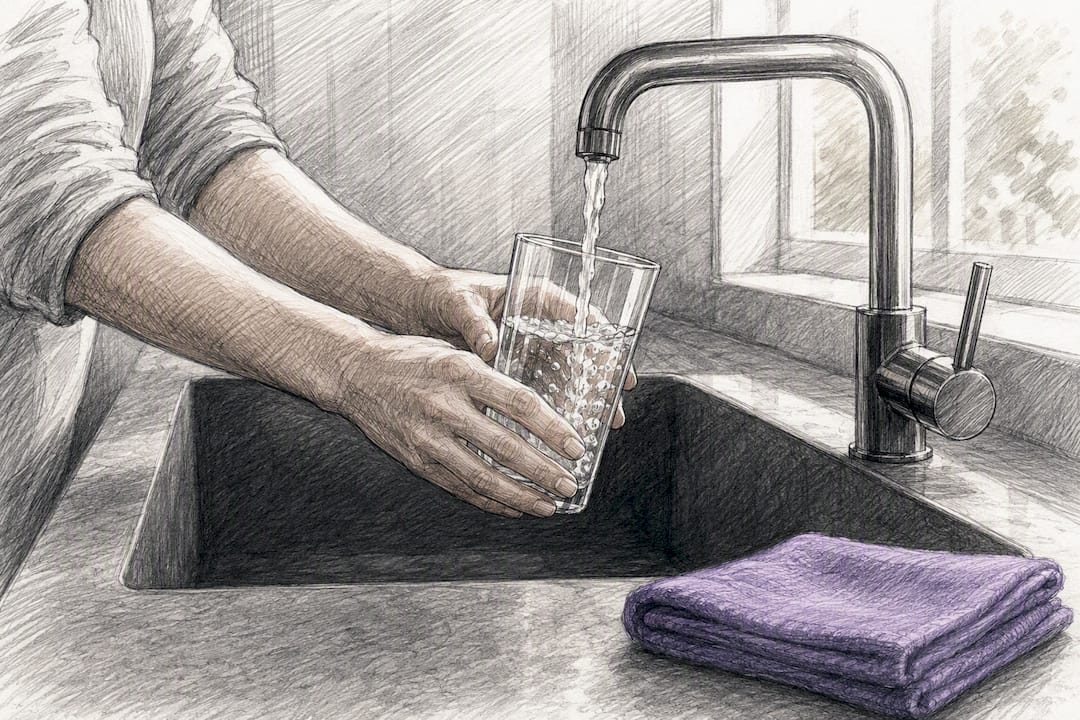
The useful distinction is between causes you can reverse this week (sleep debt, alcohol, dehydration) and ones that need a longer runway (weight, smoking, chronic disease management). Trying to fix a chronic-stress-driven low HRV with one good night’s sleep will disappoint you, because the underlying driver hasn’t moved.
When low HRV becomes a stronger signal
Low HRV rarely travels alone. It’s the combination with other markers that tells you whether to relax or pay closer attention.
- Pair it with resting heart rate. A dip in HRV alongside a rise in resting heart rate is a considerably stronger sign of physiological strain than either metric alone, and it’s the combination clinicians and coaches lean on most when deciding whether to dig further.
- Watch for symptoms, not just numbers. Chest pain, fainting or near-fainting, breathlessness at rest, palpitations, or fatigue that doesn’t lift with sleep should prompt a clinician review regardless of what your app says.
- Track the size and duration of the drop. A drop of more than roughly 25 to 30% below your personal baseline, sustained for three weeks or longer, is the threshold Harvard Health cites as worth investigating, rather than a single bad week.
- Notice whether recovery days help. If a day of good sleep and light activity bounces your HRV back towards normal, that’s reassuring. If nothing moves it, that persistence matters more than the raw number.
None of these signals diagnose anything by themselves. They tell you when it’s time to look closer, either by adjusting your own habits or by bringing the pattern to a doctor.
How to read your own HRV numbers properly
Interpreting HRV well is less about the number on any given morning and more about building a routine that filters out noise.
Start by establishing a personal baseline: a rolling 28-day average gives you a stable reference point that smooths out the daily wobble. For decisions you need to make this week, whether to train hard or hold back, a shorter two to three week trend window is more useful, since it reflects recent load without being skewed by one unusual month.
Measurement conditions matter as much as the number itself:
- Measure overnight or first thing in the morning, before caffeine, food, or movement.
- Keep conditions consistent, same time, same posture, same device, so you’re comparing like with like.
- Remember that different devices and algorithms produce different absolute values, which is why switching wearables can make your HRV look like it’s crashed when it’s actually just being measured differently.
The Cleveland Clinic’s guidance on HRV tracking is blunt about this: most consumer devices are considerably less sensitive than a clinical ECG, and a single odd reading is far more likely to be sensor artefact, a loose strap, movement during sleep, or an unusual sleep position, than a genuine health event.
Pro Tip: If one morning’s reading looks alarming but you slept in an odd position, had a late meal, or shared a bed with a restless toddler, don’t panic. Wait for the trend over the next few days before reacting to a single outlier.
Reading HRV as a trend rather than a scoreboard changes how useful the metric becomes day to day. It stops being a mark to hit and starts being a conversation your body is having with you.
What actually improves HRV
Improving HRV splits neatly into what to do right now, when a low reading follows an obvious trigger, and what to build as a habit, for the weeks and months that follow.
Immediate recovery steps for a rough night or a low reading:
- Prioritise sleep before anything else. One recovered night does more for HRV than any breathing app or supplement.
- Rehydrate properly. Given how sensitive HRV is to hydration status, a genuine fluid deficit is one of the fastest things to correct.
- Skip the alcohol. Even a single drink the night before will show up in your morning reading.
- Dial back training intensity. Swap a planned hard session for an easy one, or rest entirely, rather than pushing through.
- Move gently. A walk outdoors does more for autonomic recovery than sitting still all day.
- Try slow, diaphragmatic breathing. Six breaths a minute, in through the nose, longer exhale than inhale, activates the parasympathetic system directly within minutes.
Habits that build a genuinely higher baseline over months:
- Keep sleep and wake times consistent, even at weekends, since circadian regularity supports autonomic tone more than total sleep hours alone.
- Build regular, moderate exercise into your week rather than sporadic hard efforts, since consistency trains the parasympathetic system more reliably than intensity spikes.
- Eat in a way that supports stable blood sugar and consistent hydration, rather than chasing a specific “HRV superfood.”
- Practise breathing exercises or another calming routine daily, not just on bad-reading days.
On training specifically, the rule of thumb worth internalising is this: favour regular, moderate sessions over occasional brutal ones, and treat a low HRV morning as a cue to swap intervals for an easier session rather than grinding through as planned. Persistent low readings across several days are your body asking for a lighter week, not a harder one. This isn’t about avoiding overtraining in the classic sense, most people never train hard enough to hit genuine overtraining syndrome. The far more common problem is under-recovering: stacking daily stress, short sleep, and steady training without ever giving the parasympathetic system room to catch up.
Pro Tip: Don’t try to fix a chronic-stress-driven low HRV with a single breathing session. The Frontiers review is clear that lifestyle change works, but it’s the cumulative effect of consistent sleep, hydration, and moderate movement that shifts your baseline, not any one intervention done once.
HRV’s limits, and when to see a clinician
HRV is a genuinely useful signal, but it was never designed to diagnose anything by itself. Clinicians treat it as one data point among several, alongside your symptoms, resting heart rate, a proper ECG, and your medical history, because a low number in isolation can mean almost anything from a rough night’s sleep to a serious underlying condition.
Certain signs warrant prompt attention regardless of what your HRV trend shows:
- Chest pain or pressure, especially with exertion
- Fainting, or feeling close to it
- Breathlessness at rest or with minimal activity
- Palpitations that feel irregular or persistent
- Severe, unexplained fatigue that doesn’t improve with rest
The ARIC community cohort study, which followed over 12,500 participants, found that lower HRV measures were independently associated with a meaningfully increased risk of sudden cardiac death, particularly among those below the cohort median. That’s genuinely useful population-level evidence. It is not, however, a personal diagnosis. A cohort finding tells you that low HRV correlates with risk across thousands of people over years; it says nothing definitive about what your own low reading this week actually means. Persistent, unexplained drops deserve a conversation with a doctor. A single rough morning does not.
Why context beats a single number
A low HRV reading in isolation tells you very little. The same number means something quite different depending on whether your sleep was poor, you trained hard yesterday, or you’re fighting off a cold, and depending on what your resting heart rate and sleep quality were doing at the same time.
That’s the case for looking at metrics together rather than in isolation:
- Sleep quality and duration shape overnight HRV directly, so a night of fragmented sleep will show up before anything else does.
- Resting heart rate moving in the opposite direction to HRV, up while HRV falls, is a stronger strain signal than either number alone.
- Hydration and recent meals affect HRV in the short term, so logging them alongside your readings helps explain the noise.
- Training load from the previous day or two often explains a dip better than anything happening “wrong” with your health.
Some health apps pull wearable data from devices like Fitbit and WHOOP, along with manual logs for hydration, meals, and sleep quality, into one adaptive daily plan rather than leaving each metric to be read in isolation. When your HRV trend and sleep data move together, the picture is far clearer than either would be alone.
If Heala’s data flags a persistent low HRV pattern, the sensible response is straightforward: dial back training intensity for a few days, tighten up your sleep routine, keep logging hydration and meals so you can see whether they’re contributing, and speak to a clinician if any red-flag symptoms appear alongside the trend.
Trend first, panic never
The single biggest mistake I see people make with HRV is treating it like a daily test they’ve passed or failed. It isn’t. Variability, by definition, means your number moves around, and reacting to one low morning by cancelling plans or spiralling into worry misunderstands what the metric is for.
The ARIC cohort data is compelling evidence that persistently low HRV, tracked over years across thousands of people, correlates with real cardiovascular risk. But that finding describes populations, not individuals, and definitely not single mornings. Build the habit of checking your trend, not your daily score. Fix the fixable things first, sleep, hydration, alcohol, training load, and give changes a few weeks before judging them. If a genuine downward trend persists despite that, or symptoms show up alongside it, that’s the moment to stop self-diagnosing and book a GP appointment instead.
— Kerem
Turning HRV data into a daily plan you’ll actually follow
Spotting a low HRV reading is the easy part. Knowing what to do about it, consistently, without second-guessing every number, is where most tracking habits fall apart.

Heala centralises the context that makes a single HRV number meaningful: sleep quality, hydration, training load, and recovery trends, all in one place, syncing with Fitbit, WHOOP, Oura, and other wearables you already own. If you don’t wear a device to bed, Heala’s sleep tracking estimates sleep quality without one, so overnight recovery still gets captured. Hydration logging is included, addressing one of the most controllable short-term causes of a low reading. When HRV trends shift, the daily plan can adapt accordingly, suggesting adjustments in training intensity rather than leaving users to guess whether today is a push day or a rest day.
If you’re ready to see your own recovery data pulled into one adaptive plan rather than scattered across separate apps, start with Heala and connect your wearable to get your first baseline built.
This article is general information, not a substitute for advice from a qualified doctor. Consult a qualified healthcare professional about your own circumstances before acting on anything here.
Sources
- How relevant is heart rate variability? | Harvard Health
- Low heart rate variability and risk of sudden cardiac death in a community-based cohort: ARIC study | PMC
- Update: factors influencing heart rate variability–a narrative review | Frontiers in Physiology
FAQ
Why is my HRV always low?
A consistently low HRV, rather than an occasional dip, usually points to an ongoing factor: chronic stress, poor sleep habits, heavy alcohol use, insufficient recovery between training sessions, or an underlying medical condition. Check your resting heart rate alongside it and consider whether a sustained lifestyle factor, rather than a one-off bad night, explains the pattern.
Should I exercise if my HRV is low?
Light or moderate movement is generally fine and can help, but swap planned hard intervals or heavy sessions for an easier workout when your HRV has been trending low for several days. If the pattern persists despite easier training, that’s a cue to rest more rather than push through.
Does dehydration affect HRV?
Yes, even mild dehydration measurably reduces HRV, making it one of the simplest and most controllable short-term causes of a low reading. Rehydrating properly is one of the fastest ways to correct a dehydration-driven dip.
Does walking improve HRV?
Gentle movement like walking supports parasympathetic recovery and is a sensible response to a low HRV morning, particularly compared with intense exercise or complete inactivity. It won’t reverse a chronic, stress-driven low baseline on its own, but it’s a solid daily habit alongside consistent sleep and hydration.
Recommended
Heala opens 1 October 2026
Free forever — Pro is optional.
Photo food logging, adaptive training, a morning recovery score and a 3D body twin, in one app.